
Home/Products/Crushing & Milling
Crushing & Milling Equipment
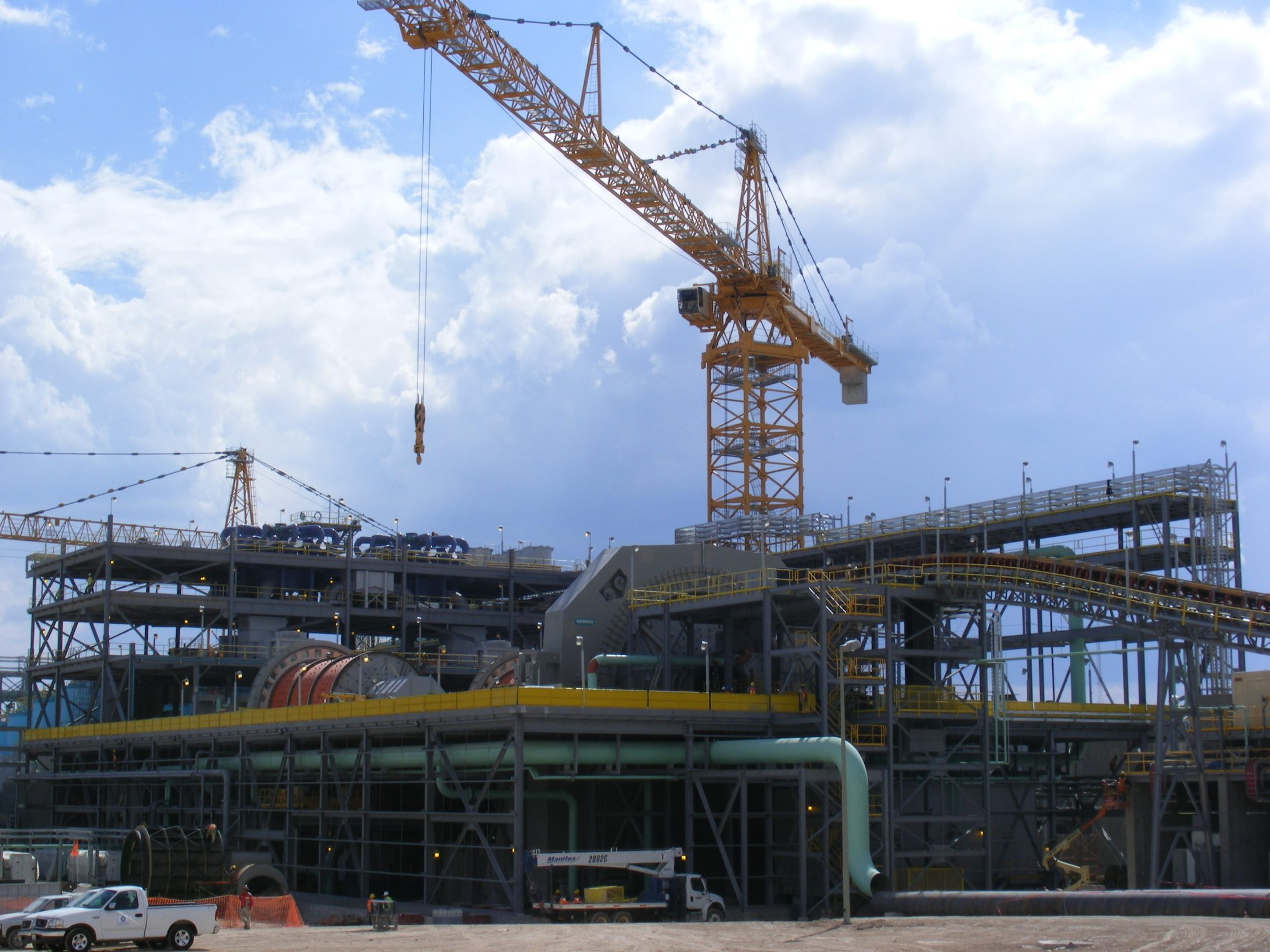
SBCCO-China supplies jaw, cone and VSI crushers, ball and SAG mills, and the wear parts, mill shells, girth gears and pinions that keep them running. Built to your drawing, an OEM print, or a worn part we have measured ourselves — cast to certified chemistry, inspected in China, and delivered to mine sites worldwide.
01 / What we supply
What we supply
Complete machines, sub-assemblies and wear parts. Most of what we ship is built to a customer drawing, an OEM print, or a physical sample we have measured ourselves.
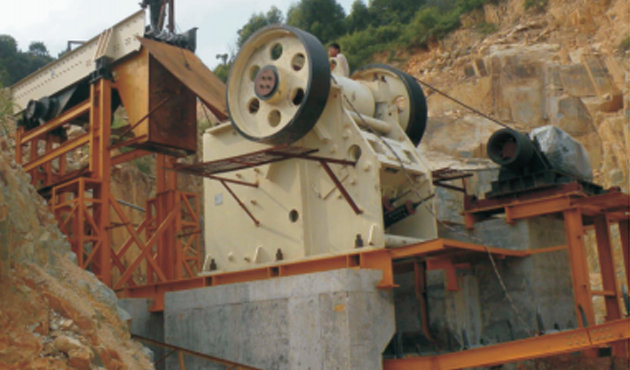
Jaw Crusher — PE Series
Primary crushing for hard rock and ore. Cast steel frame, Mn13Cr2 or Mn18Cr2 jaw plates, feed openings from 250 × 400 mm to 1200 × 1500 mm. Supplied complete, or as frames, pitman assemblies and wear plates.
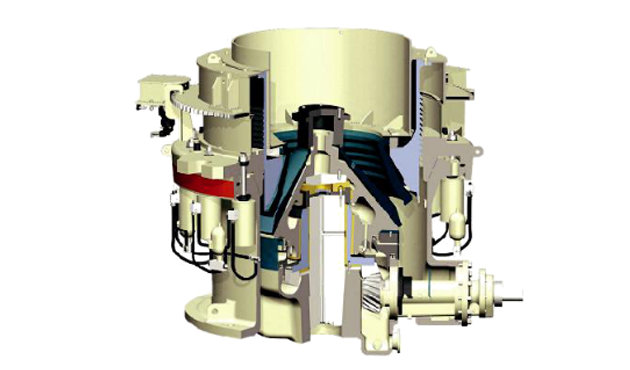
Cone Crusher — SM Series
Secondary and tertiary crushing with hydraulic setting adjustment and tramp release. Mantles and concaves in Mn14, Mn18 or Mn22 selected against your abrasion index, cast and heat-treated to certified chemistry.
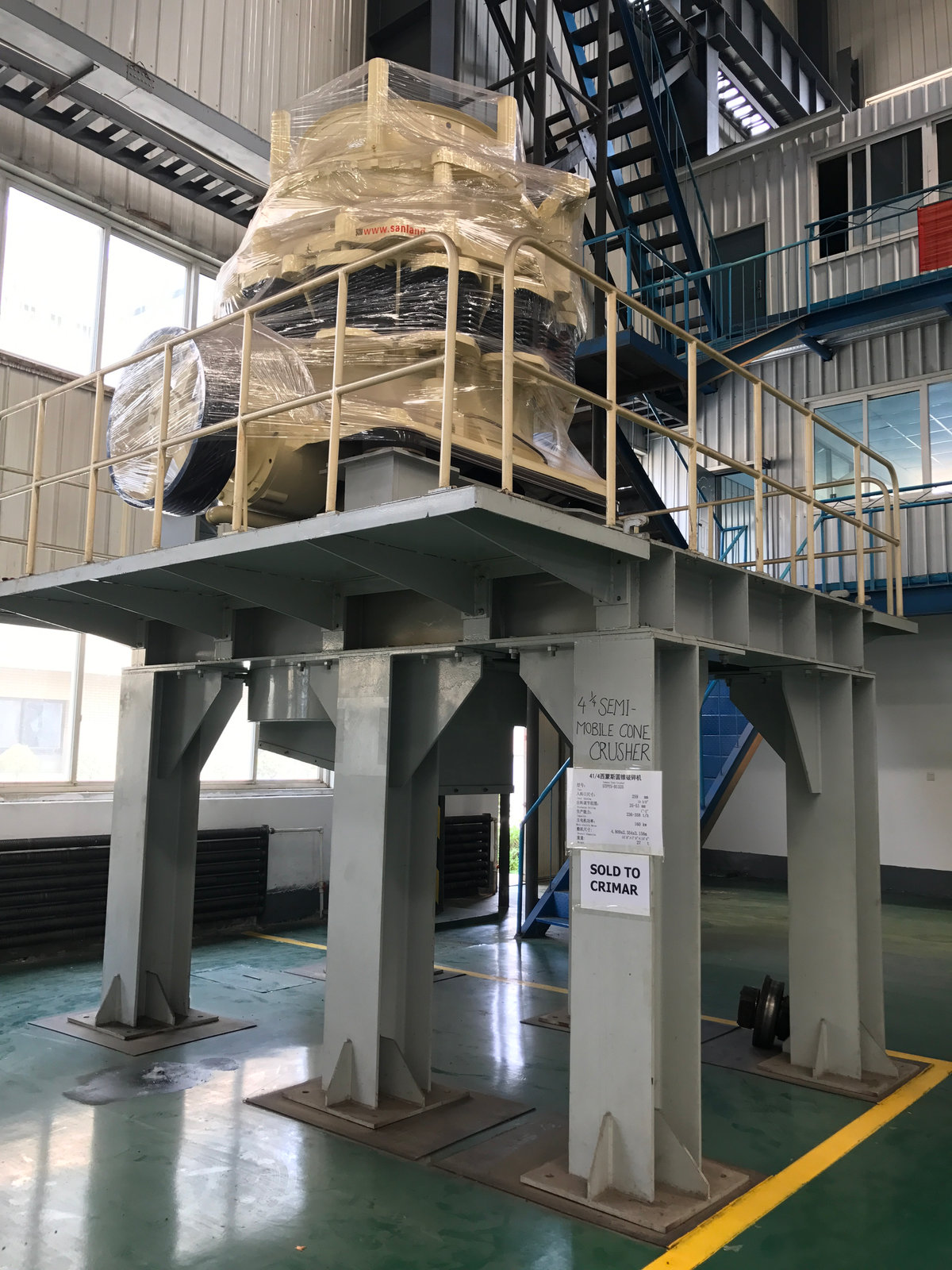
Cone Crusher Rebuild Parts
Replacement heads, bowls, main shafts and eccentric assemblies for legacy 3 ft, 4¼ ft, 5½ ft and 7 ft machines — dimensioned from your worn part or from prints you already hold.
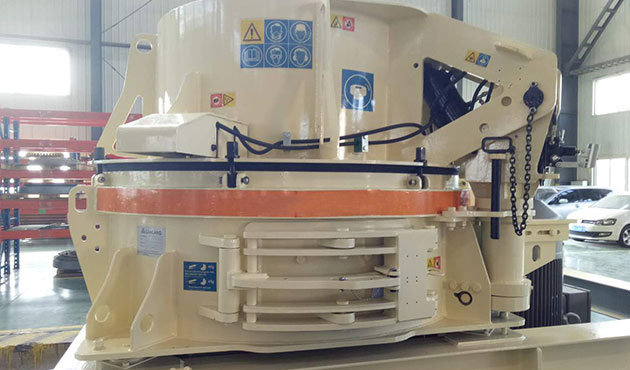
VSI Crusher — SVSI Series
Vertical shaft impactors for shaping and fine crushing. Rotor tips, distributor plates and wear liners in tungsten-carbide-tipped or high-chrome white iron.
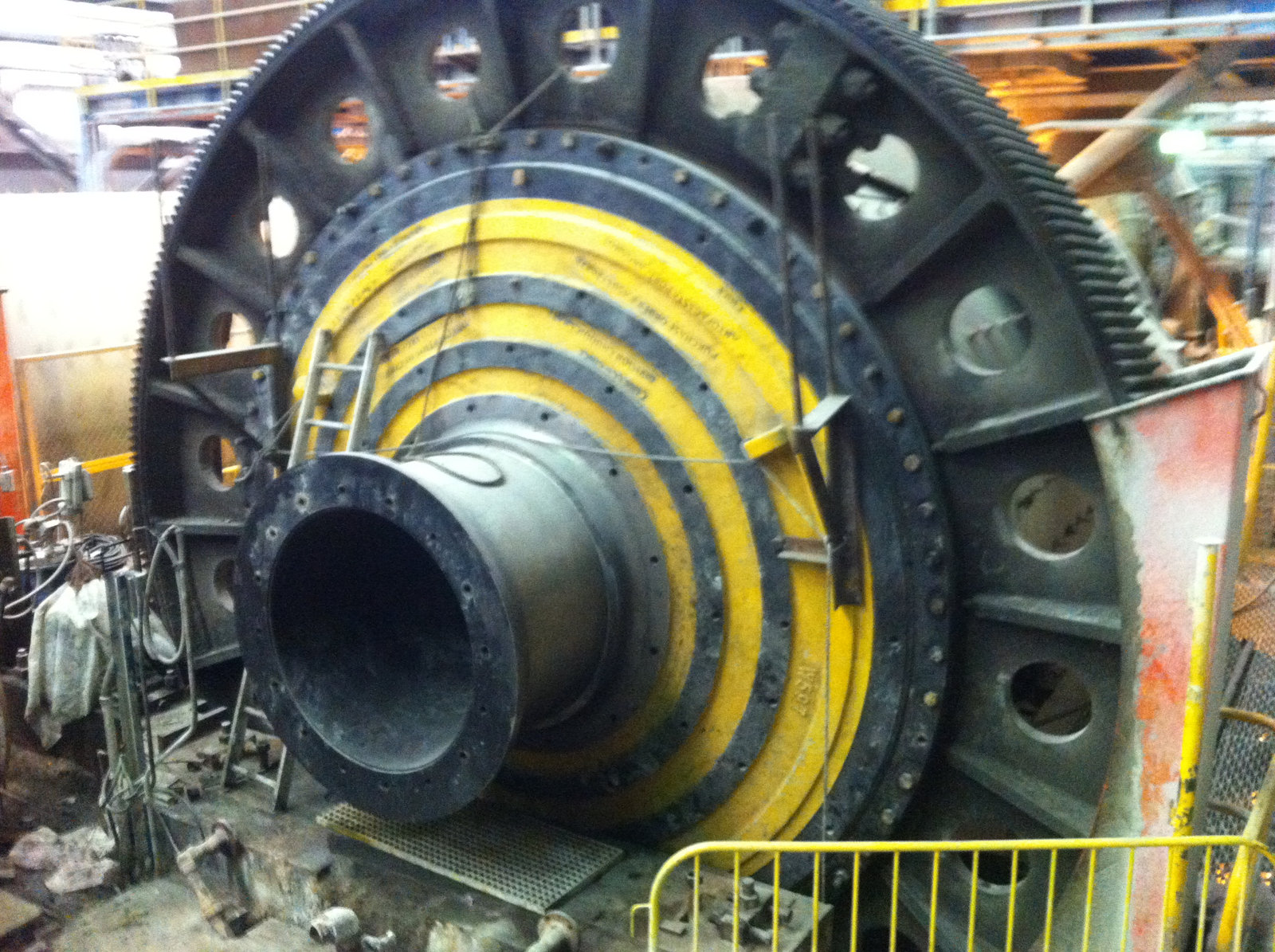
Ball & SAG Mills
Wet and dry grinding mills from 900 × 1800 mm to 4500 × 6000 mm. Complete mills, or trunnions, bearings, drive trains and liner sets for machines already on site.
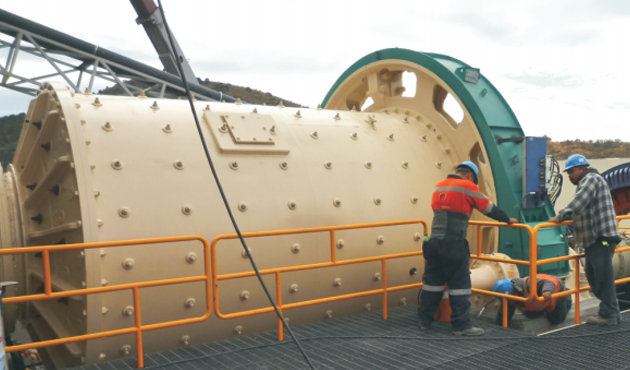
Mill Shells & Liners
Rolled and welded mill shells with machined flanges, plus rubber, high-chrome and composite liner sets. Weld procedures, NDT records and a dimensional report ship with the equipment.
02 / Specification
What we can build, in numbers.
If your duty falls outside this envelope, say so in the enquiry — we will tell you honestly whether it is something our shops should be building.
| Equipment types | Jaw, cone, gyratory, VSI and impact crushers; ball, rod, SAG and AG mills |
|---|---|
| Wear part alloys | Mn13Cr2, Mn18Cr2, Mn22Cr3, high-chrome white iron (Cr15Mo3 / Cr26), TiC-inserted composites |
| Single-piece weight | 5 kg to 32,000 kg |
| Casting standards | ASTM A128, ASTM A532, AS 2027, GB/T 5680 — chemistry and hardness certified per heat |
| Machining tolerance | ISO 2768-m general; ISO 2768-f or drawing-specific on mating and seating faces |
| Reverse engineering | 3D scan or manual measurement of a worn part; dimensional reconstruction issued for your written approval before a pattern is cut |
| Inspection | Spectrometer chemistry per heat, Brinell hardness, MPI or UT on critical sections, dimensional report against drawing |
| Typical lead time | 8–14 weeks for wear parts in existing patterns; 16–24 weeks for complete mills |
| Delivery terms | FOB Tianjin / Qingdao / Shanghai, CFR or DAP site |
03 / How we control it
Wear parts fail for two reasons. We control both.
A liner that lasts half as long as it should has almost always failed for one of two reasons: the alloy was not what the certificate said, or the geometry was close but not close enough. Neither is visible on arrival. Both are preventable in China.
The alloy is verified, not asserted
We take our own samples. Chemistry is spectrometer-tested per heat and the print-out travels with the casting, stamped with the same heat number as the part. If manganese or chromium is out of range, the heat does not become your parts.
The geometry is proven against the drawing
A mantle 3 mm out at the seat will move under load and destroy the head. Every wear part is measured against the drawing — on a CMM or a portable arm — and the dimensional report goes to you for approval before the parts are crated.
Reverse engineering, done honestly
When there is no drawing we scan the worn part and reconstruct the as-new profile, then tell you which surfaces we inferred rather than measured. You approve the reconstruction before we cut a pattern, and the reconstruction is yours to keep.
Someone is actually in the foundry
Our engineers attend the pour, the heat treatment, the machining and the packing — and send you dated photographs of each. Nothing is signed off from a phone call.
04 / Questions
Crushing & milling — common questions
Can you make wear parts that fit Metso, Sandvik, FLSmidth or Nordberg machines?
Yes. We supply OEM-equivalent wear parts dimensioned from your worn part, from a drawing you hold, or from published fitting dimensions. We do not put OEM brand names on castings or documents, and we never represent parts as OEM-manufactured.
What if I do not have a drawing?
Send us the worn part, or photographs with measurements at the points we specify. We reconstruct the as-new geometry, issue it for your written approval, and only then cut a pattern.
How do I know the manganese steel is really Mn18?
Every heat is spectrometer-tested and the report carries the heat number stamped on the casting. You can have the sample re-tested independently, or appoint SGS, BV, TÜV or Intertek at our facility — we schedule and host the visit.
What is the minimum order?
A single set for parts in an existing pattern. For a new pattern the pattern cost is quoted separately, usually amortised over the first order, and the pattern stays available for your repeat orders.
Do you supply complete crushing plants?
We supply complete machines and can coordinate a package with screens, feeders, conveyors and structural steel. We are not an EPC contractor — for a full plant we work under your engineer or your EPC.
Send us the part, the print, or the problem.
Upload a drawing, a photograph of the worn part, or just the machine model. We come back with dimensions, alloy options, an inspection plan and a price.