
Home/Capabilities/Shipping & Export
Shipping & Export
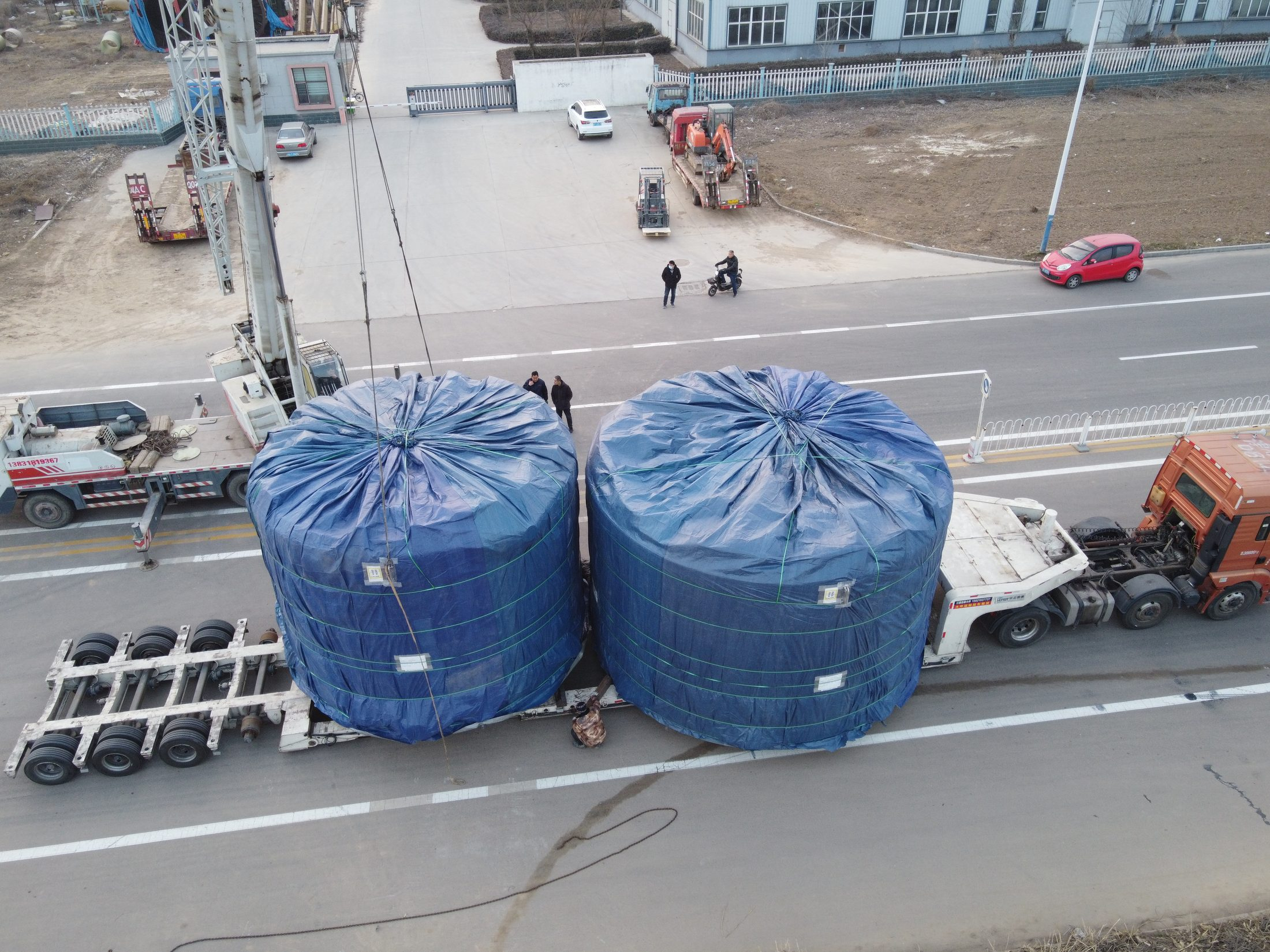
Packing designed for the sea voyage and the site crane, not for the shortest route out of the factory. Container, flat-rack, break-bulk and heavy-lift from Tianjin, Qingdao and Shanghai, with lifting and lashing drawings, loading attended and photographed, and export documentation that clears customs first time.
01 / What we do
More equipment is damaged between the factory gate and the site than inside the factory.
Packing is the last thing anyone thinks about and the first thing that fails. It is decided by whoever is loading the truck, usually at speed, usually after the inspection is finished and everyone has moved on.
We plan the packing before fabrication finishes
Segment sizes, crate sizes and lifting points are fixed against your container envelope, road limits, altitude and site crane capacity at the order stage — not improvised on the loading dock.
We design the packing for the voyage
Timber cradles at calculated support points, internal bracing on large-diameter items, end caps, VCI and desiccant for machined surfaces, and no stacking above the calculated crush load. Sea freight is not road freight.
We crate by line number
Multi-item orders are crated and labelled against your line list, so site can find what it needs without opening everything. Packing lists match the crates, and the crates match the drawing numbers.
We attend and photograph the loading
Our own people are there when the container is stuffed or the piece is lifted. Photographs are taken before the doors are sealed, and sent to you the same day.
We prepare lifting and lashing drawings
For anything break-bulk or heavy-lift: lifting points, sling angles, centre of gravity, lashing arrangement — issued for your approval and for the vessel.
We get the paperwork right the first time
Commercial invoice, packing list, certificate of origin, fumigation and heat-treatment certificates for timber, HS codes checked against the destination. Customs delays are almost always documentation, and documentation is free to get right.
02 / The cost of skipping it
What bad packing and paperwork cost.
None of this appears on the equipment quotation, and all of it lands on your project.
| What goes wrong | How it shows up | What it costs you |
|---|---|---|
| A machined face arrives corroded | No VCI, no desiccant, six weeks at sea and two in a tropical port. | Rework on site, or an item that cannot be installed until it is re-machined. |
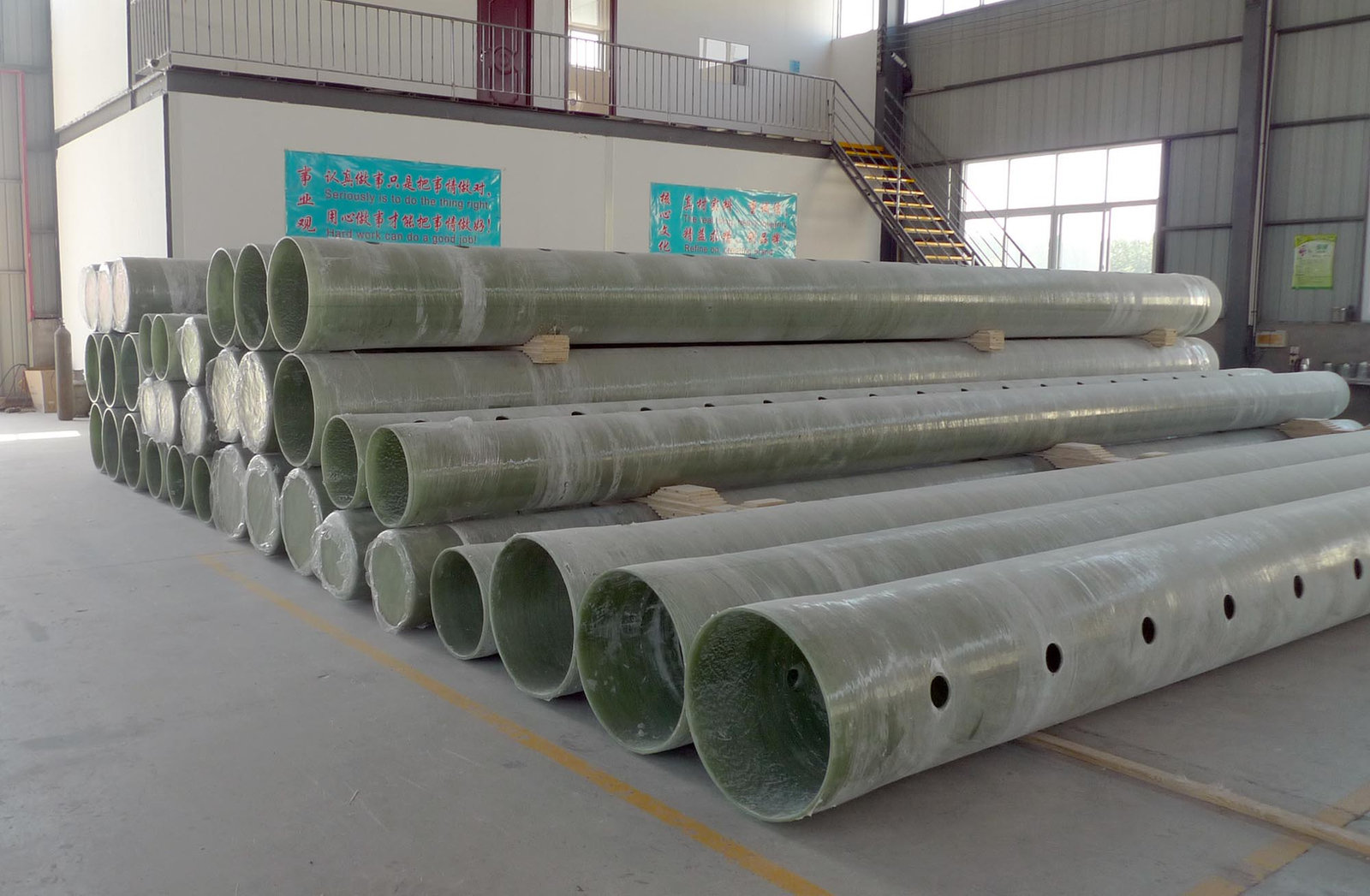
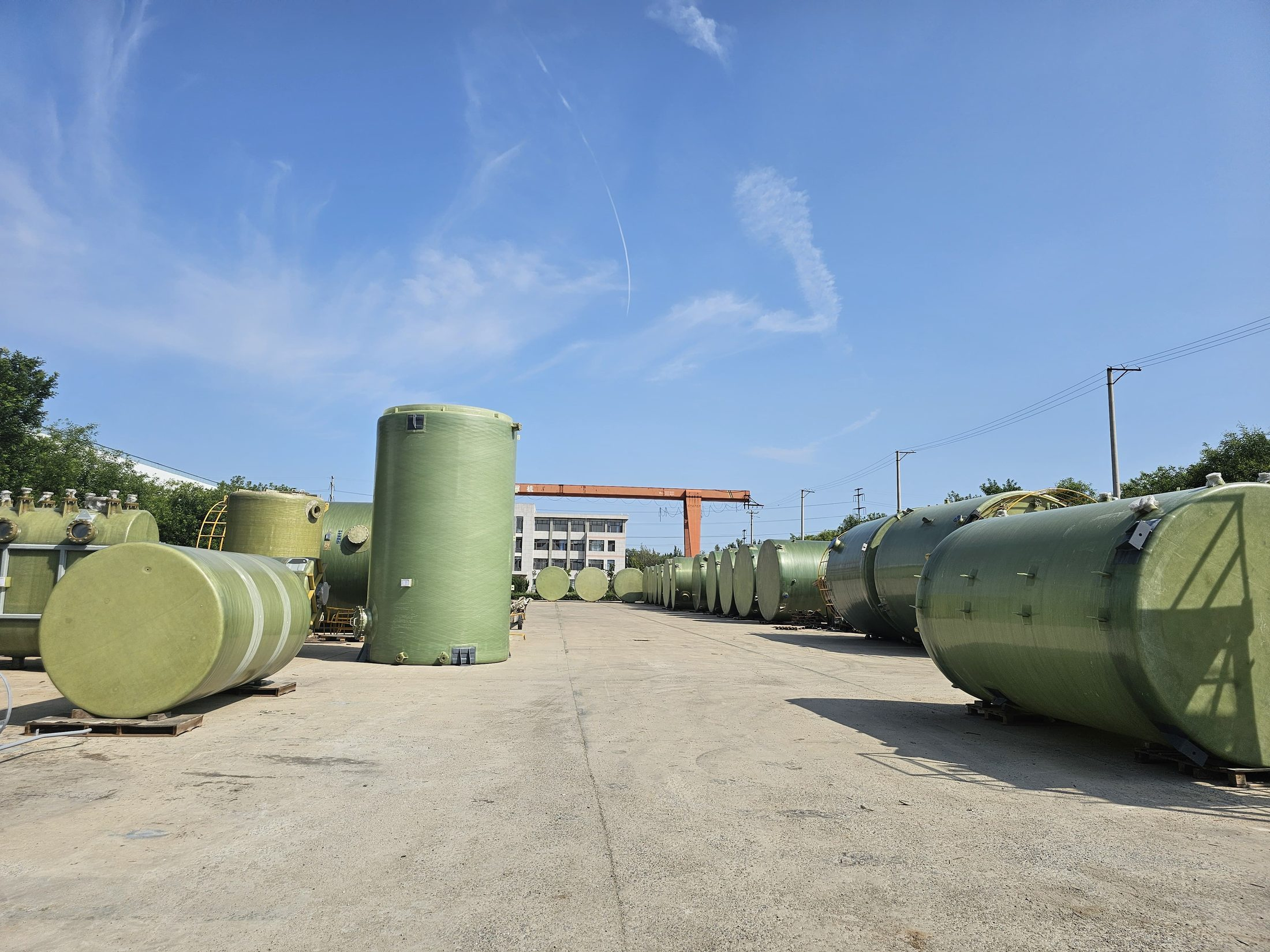
| A large FRP item is crushed | Stacked above its crush load, or supported at the wrong points. | A total loss discovered at site, with an insurance claim that takes longer than remanufacture. |
| The piece does not fit the site crane | Segment size chosen for fabrication convenience, not for the lift at the far end. | A crane upgrade, a road closure, or a piece cut up and re-welded on site. |
| Customs holds the consignment | HS code wrong, timber certificate missing, invoice value inconsistent with the packing list. | Demurrage, storage and a schedule that slips through no fault of the equipment. |
| Nobody knows which crate holds what | Consolidated by whoever was ready first, labelled by the factory. | Every crate opened at site to find one item, in the rain. |
| Loading was never witnessed | Photographs supplied by the factory, taken before the last items went in. | No evidence of condition at loading, so a damage claim becomes an argument. |
Almost all of this is decided in the week before shipment, by people who are not thinking about your site. Being there that week is the service.
03 / The deliverable
What you actually receive.
Freight itself is bought from forwarders and lines. What we provide is the part that decides whether the equipment arrives usable.
| Packing specification | Crate design, bracing, support points, preservation and marking, agreed before fabrication finishes |
|---|---|
| Lifting and lashing drawings | Lifting points, sling angles, centre of gravity and lashing arrangement for break-bulk and heavy-lift items |
| Crating and marking | Crated and labelled by your line number, with packing lists that match the crates and the drawings |
| Loading record | Dated photographs taken during stuffing or lifting, before the doors are sealed, issued the same day |
| Export documentation | Commercial invoice, packing list, certificate of origin, fumigation and heat-treatment certificates, HS codes checked for the destination |
| Delivery terms | FOB Tianjin, Qingdao or Shanghai, or CFR / CIF / DAP site — quoted separately from the equipment so you can see what freight actually costs |
| Consolidation plan | How multi-line orders are grouped and sequenced, agreed at the order stage |
| Site-fit information | Match-marking, erection drawings and jointing procedures shipped with the equipment, not emailed later |
04 / Questions
Shipping & export — common questions
Can you ship on our forwarder and our terms?
Yes, and many customers do. We prepare the packing, the documentation and the loading, and hand over to your nominated forwarder. We will still attend the loading and photograph it.
What is the largest item you can ship?
Under 25 t and within the flat-rack envelope it is containerised. Above that, break-bulk or heavy-lift from Tianjin, Qingdao or Shanghai. We size the split against your site crane and road limits at the quotation stage, not afterwards.
Do you quote freight separately from the equipment?
Yes. Bundling them hides what the freight actually costs and makes it impossible to compare offers properly. You get FOB and a delivered figure, itemised.
Who is responsible if the equipment is damaged in transit?
It depends on the incoterm, which is exactly why we itemise it. What we control is the packing and the evidence of condition at loading — which is what decides whether a claim succeeds.
Can you consolidate items from several of your product lines?
Yes, and it is one of the reasons customers place multi-line orders with us. Consolidation is planned at the order stage so the crate site needs first is not the one that ships last.
Tell us the destination and the site constraints.
Send the delivery address, the site crane capacity, the road limits and the altitude. We will tell you how the equipment should be split, packed and shipped — and what the freight actually costs.