
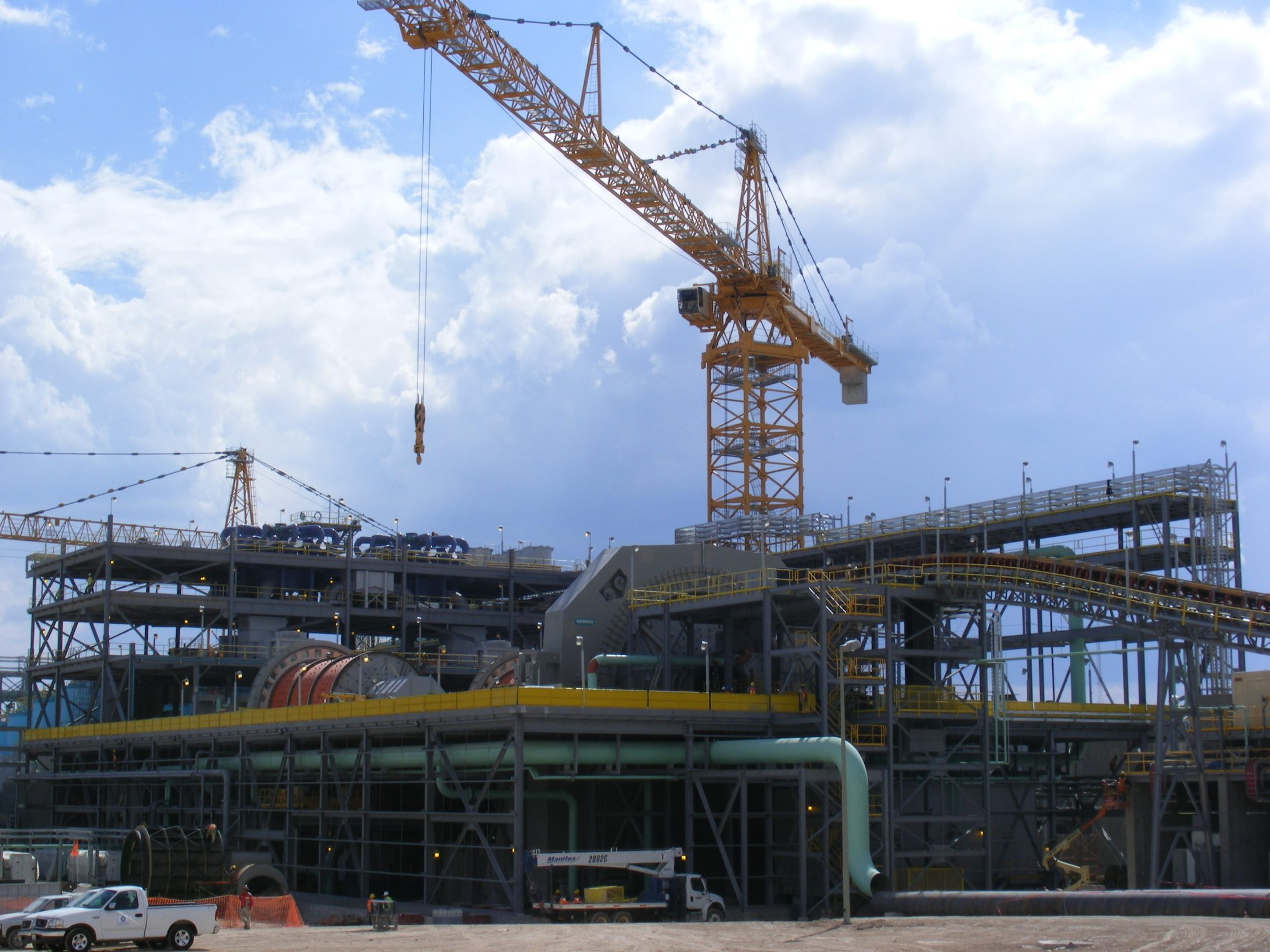
Home/Industries/Mining & Mineral Processing
Mining & Mineral Processing Equipment from China
SBCCO-China supplies and inspects equipment for the whole mineral processing circuit — crushers and mills, hydrocyclones, thickeners, slurry pumps and piping, reagent tanks and launders. Built to your drawings in shops we have audited, watched by our own engineers, and shipped match-marked to site.
01 / The circuit
We supply the whole flowsheet, not one box on it.
Most suppliers sell you a machine. A concentrator is bought as a circuit, and the awkward items are the ones that sit between two machines — the launder that has to meet a basin somebody else poured, the spool that has to reach a pump nobody has drawings for. Those are the ones we are used to.
Crushing
Jaw, cone and VSI crushers, plus mantles, concaves, jaw plates and rebuild parts for 3 ft to 7 ft machines, in Mn13 to Mn22 and high-chrome iron. Crushing & Milling
Grinding
Ball, rod and SAG mills; mill shells, heads, trunnions, girth gears to 9 m, pinions and rubber, high-chrome or composite liner sets. Castings & Forgings
Classification
Hydrocyclones and radial clusters from 50 mm to 800 mm with polyurethane, natural rubber, nitrile or ceramic liners, plus distributors, manifolds and pinch valves. Solid / Liquid Separation
Thickening and clarification
High-rate and conventional thickeners to 45 m diameter — drive heads, rake arms, lifting devices, feedwells, launders, and FRP collection and trough systems for basins built by someone else. Solid / Liquid Separation
Slurry transport
Horizontal and vertical slurry, froth and gravel pumps with rubber, polyurethane or Cr27 wet ends, and FRP, HDPE or rubber-lined pipe from 50 mm to 4,000 mm. Liquid Transmission
Reagents and process water
FRP and lined tanks, agitators, dosing skids, scrubbers, and PTFE-lined pipe and valves for acid, flocculant and reagent service. FRP Products
Tailings and return water
Floating pump barges and intakes, large-diameter GRP lines, thickener overflow and return water systems, supplied with jointing procedures and erection drawings. Liquid Transmission
02 / Failure modes
What actually fails on a concentrator — and what we do about it.
None of these are exotic. They are the six problems that come back to us most often from mine sites, and every one of them is decided long before the equipment reaches the port.
| What fails | Why it happens | What we do about it |
|---|---|---|
| Cyclone apex wears oval | High solids concentration and an angular feed cut the apex faster than the cone. | Liner material chosen against your particle size distribution and abrasion index — polyurethane, natural rubber or ceramic — with the expected wear pattern stated in the quotation so you can plan the change-out. |
| Mill liner bolts slacken in the first weeks | Torque relaxation after the liner beds in. Nobody warns you. | Hardness-tested bolting supplied with a written re-torque schedule, and liner sets match-marked to an installation sequence. |
| Slurry pump impeller gone in weeks | The pump is running a long way off its best efficiency point, usually because the line changed after it was sized. | We check the duty before quoting. If the pump you asked for is wrong for the flow, head, solids and SG you gave us, we say so in writing and quote what fits. |
| Thickener rake torque overload | Bed depth and underflow density were underestimated at design, or the ore changed. | Drive head and rake arms sized against your actual torque duty and bed depth rather than a catalogue rating, with the design basis written into the quotation. |
| FRP launder or trough cracks at the supports | Point loading and thermal movement, from a laminate and a support spacing that were designed separately. | Laminate schedule and support spacing designed together against the span, the liquor and the temperature, and the assembly trial-fitted in the shop before it is cut apart for shipping. |
| A wear part arrives close, but not right | Reverse engineering done from a worn part without anyone approving the reconstruction. | We scan or measure the part, issue a dimensional reconstruction showing which surfaces we inferred rather than measured, and cut nothing until you approve it in writing. |
The pattern is the same in every row: the decision that determines service life is made at selection or at fabrication, not on site. That is the point at which we are useful, and it is why we ask awkward questions before quoting rather than after.
03 / Delivered
Named clients, named equipment.
We would rather show three jobs we can be asked about than claim a hundred we cannot. WesTech has been buying from us since 2006 and Glencore since 2016 — ask us for the reference and we will give you the contact rather than a logo.
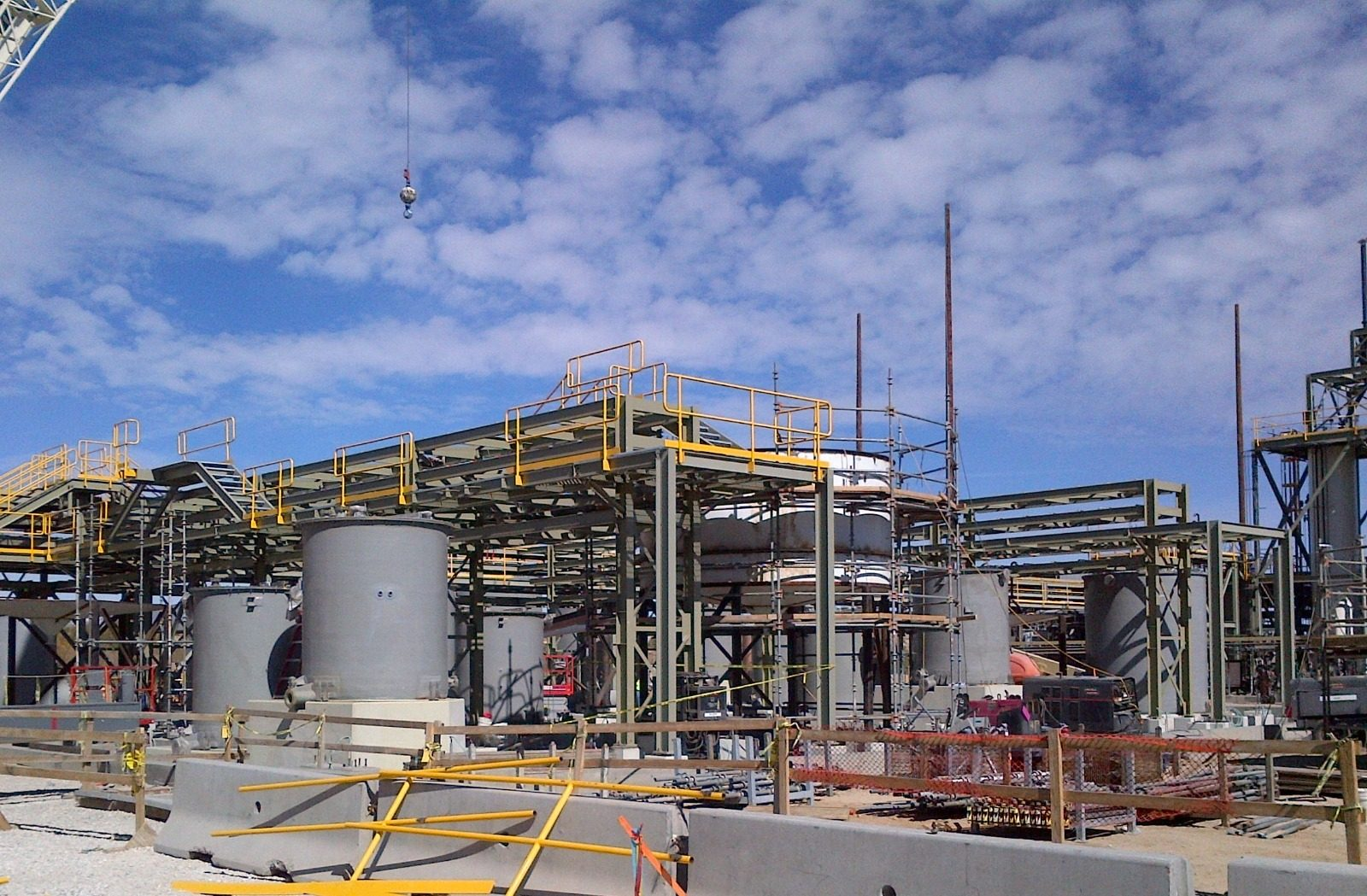
Freeport-McMoRan
FRP restart tanks
Corrosion-resistant restart tanks fabricated in China to the customer’s laminate specification and shipped complete.
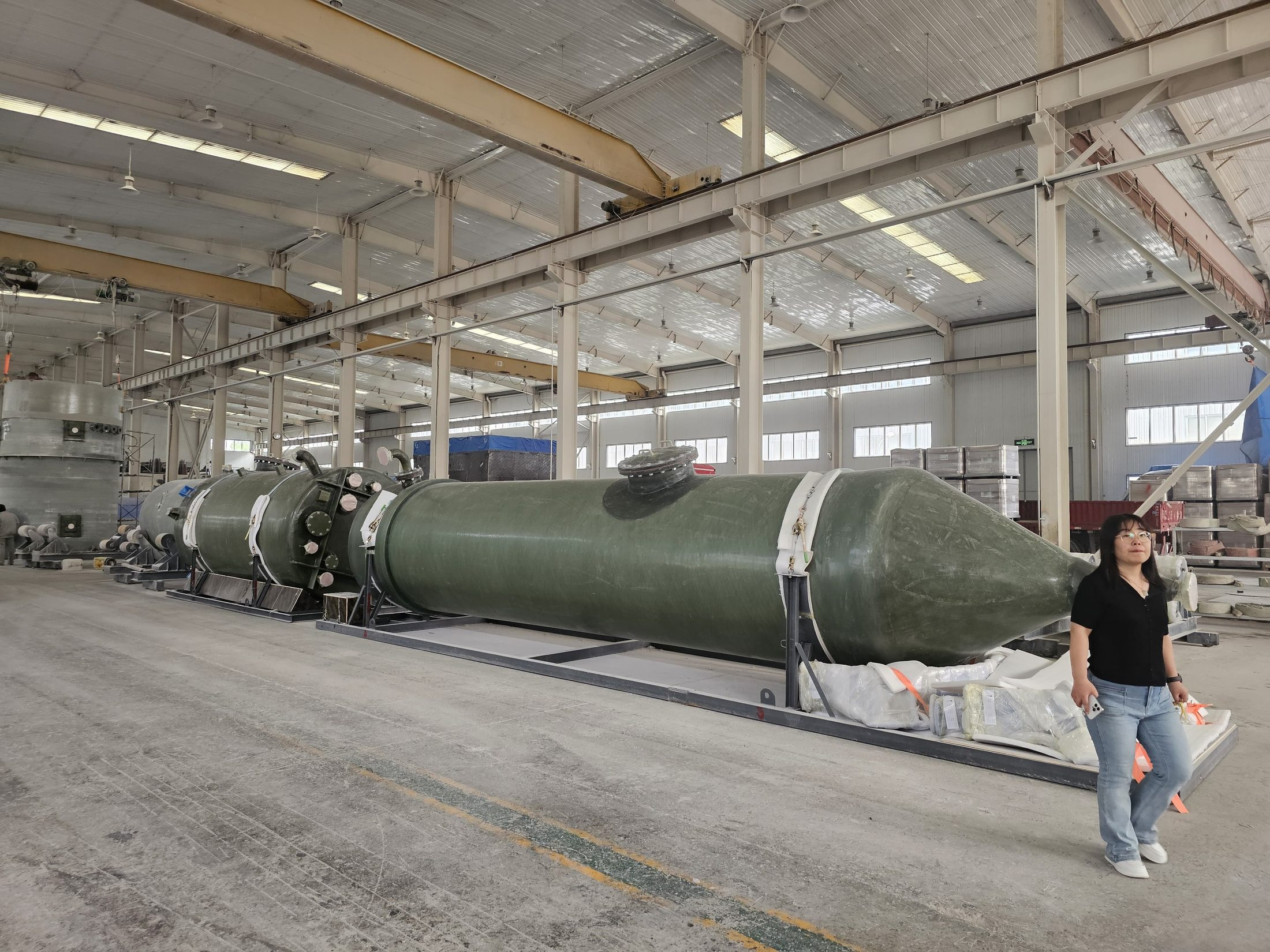
FLSmidth
FRP acid wash column
An acid wash column for a copper solvent extraction circuit, built to an FLSmidth design and inspected before shipment.
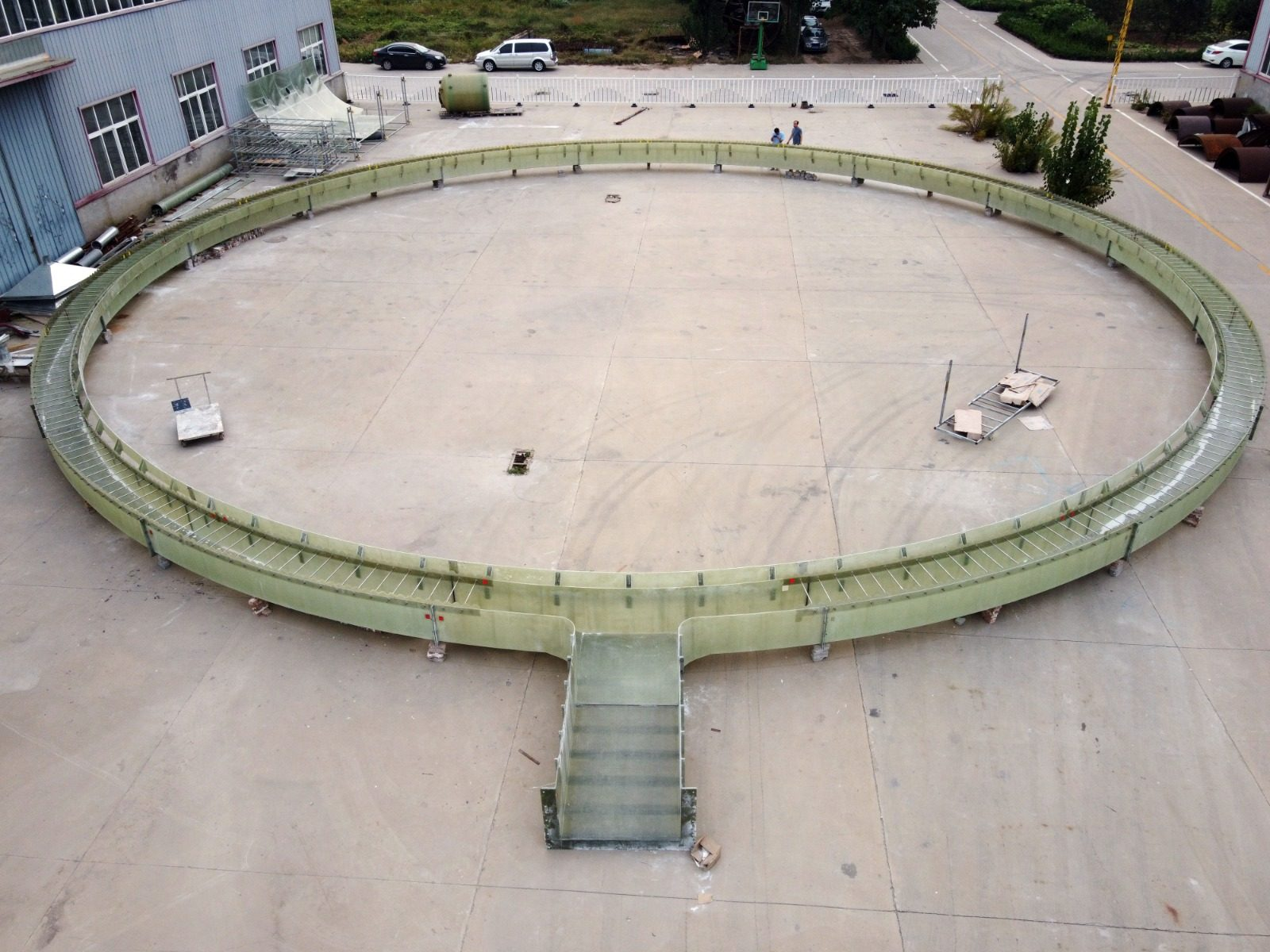
Puerto Rico
Thickener trough system
A complete FRP thickener trough and launder system, dimensioned to an existing basin, trial-assembled and match-marked before it was crated.
04 / What to send us
You do not need a finished specification to start.
Half the enquiries we price begin as a photograph and a part number. Send whatever you have — we will tell you what is still missing rather than guess and quote something that does not fit.
- A flowsheet, or just the one line you are replacing
- Particle size distribution, solids concentration and specific gravity
- Flow, head, operating temperature and pH
- The worn part, a drawing, or photographs with dimensions at the points we specify
- Machine make and model where you are matching an existing unit
- A basin or deck survey for anything that has to fit a structure already on site
- Your inspection and test plan, and who you want to witness it
- Documentation you need in the data book, and in which language
- Shipping constraints: container or break-bulk, site lift capacity, altitude and road limits
- Whether you want us to name and introduce the fabricator
05 / Questions
Mining & mineral processing — common questions
Do you supply complete concentrators, or only equipment?
Equipment, sub-assemblies and wear parts, and we can coordinate a package across several of them on one purchase order. We are not an EPC contractor — on a full plant we work under your engineer or your EPC, which is usually how the large orders reach us anyway.
Can you supply wear parts that fit Metso, Sandvik, FLSmidth or Warman machines?
Yes. We supply parts dimensionally interchangeable with widely used frames, made from your worn part, a drawing you hold, or published fitting dimensions. We do not put OEM brand names on castings or documents and we do not represent parts as OEM-manufactured. Give us the machine and frame size and we confirm fit in writing before you order.
We already have a supplier in China. Can you just inspect?
Yes. Factory audits, drawing and ITP review, in-process surveillance, expediting, pre-shipment inspection and data book compilation are sold on their own, at a fixed fee, for orders you place yourself. See Inspection & Expediting. We disclose in writing any commercial relationship we have with the factory before accepting the assignment.
How do you handle altitude, cold and remote sites?
Tell us the altitude, the minimum ambient temperature and the road and lift constraints at the start. They change motor derating, elastomer selection, steel grade for low-temperature service, and how the equipment is split for transport. It is much cheaper to design for them than to discover them at the port.
Which fabricator will build our equipment?
We will tell you. Once the enquiry is priced we name the shop, its accreditations and comparable work it has done. You are welcome to visit it with us and to appoint your own inspector at any stage of the order.
What lead times should we plan for?
Wear parts in existing patterns 8–14 weeks; complete mills and thickeners 16–24 weeks; FRP and lined equipment 10–20 weeks depending on the laminate and the testing scope. We quote the split between fabrication, inspection and sailing rather than one number.
Send the flowsheet, the part, or the problem.
Upload a drawing, a data sheet or a photograph of what you are replacing. We come back with materials, an inspection plan, a lead time and a price — and the name of the shop that would build it.