
Home/Industries/Power Generation & Flue Gas
Power Generation & Flue Gas Equipment from China
SBCCO-China supplies and inspects power plant and flue gas equipment — boiler auxiliaries, deaerators and feedwater tanks, heat exchangers, FGD absorber internals, FRP and lined ductwork, dampers and expansion joints, and the pumps and piping that serve them — built to code and inspected in China before shipment.
01 / The circuit
Everything after the boiler is a wet corrosion problem.
Upstream of the air heater it is a pressure and temperature problem, and codes handle that. Downstream it is chlorides, sulphur and condensation, and codes do not help at all — material selection does. We work both ends, and we are honest about which one you are in.
Boiler and pressure parts
Package steam boilers, drums, headers, economisers and pressure parts to ASME VIII, EN 13445 or GB 150, with full weld maps and NDT. Steel Process Equipment
Feedwater and deaeration
Spray and tray-type deaerators, feedwater tanks, condensate receivers and their internals, supplied as a matched assembly. Steel Process Equipment
Heat transfer
Condensers, feedwater heaters, shell and tube exchangers and replacement tube bundles in carbon steel, stainless, titanium and copper-nickel. Steel Process Equipment
Flue gas ducting and dampers
FRP and lined ductwork, expansion joints, and guillotine, louvre and butterfly dampers for hot and wet flue gas, with seal air where the duty needs it. Valves & Dampers
FGD and emission control
Absorber internals, spray headers, mist eliminators, wet stack liners, slurry tanks and agitator supports in FRP, rubber-lined steel and alloy. FRP Products
Slurry, water and reagent handling
Limestone and gypsum slurry pumps, rubber-lined and FRP piping, reagent preparation tanks and dosing systems. Liquid Transmission
Ash and gypsum handling
Chutes, hoppers, wear liners, dewatering equipment, filter presses and belt filters for ash and gypsum. Solid / Liquid Separation
02 / Failure modes
Where flue gas equipment actually goes wrong.
The pressure parts are governed by a code and rarely surprise anyone. The wet end is governed by material choice, and that is where the money is lost.
| What fails | Why it happens | What we do about it |
|---|---|---|
| Duct corrodes just downstream of the absorber | Wet, chloride-bearing gas below the acid dew point, in a duct specified as though it were carrying dry hot gas. | Wet or dry service established at the enquiry. FRP with an appropriate corrosion barrier, rubber-lined steel or alloy specified accordingly, with the gas analysis and chloride level written into the design basis. |
| A damper will not seal or will not move | Blade and shaft designed for clean air, then asked to work in wet gypsum-laden gas with thermal distortion on top. | Blade, shaft, bearing and seal arrangement designed for the actual dust and moisture loading, seal air where the duty needs it, and the actuator sized on real break torque rather than a catalogue figure. |
| An expansion joint tears within a campaign | Movement, temperature and chemical attack considered separately rather than as one combined duty. | Belt or bellows material and geometry selected for axial, lateral and angular movement at temperature, in the actual gas chemistry, with the design movement stated in the quotation. |
| Wet stack or absorber lining debonds | Surface preparation and cure carried out to a schedule rather than to a standard, in ambient conditions that were never recorded. | Blast standard, lining system, cure schedule and holiday-test voltage agreed in writing before work starts, with ambient conditions and spark test results recorded per item. |
| A replacement bundle does not fit | No drawing survives and the new bundle was built to a nominal layout rather than to the exchanger on site. | We measure the removed bundle, issue a dimensional report for approval, and manufacture to the approved tubesheet layout, baffle spacing, tube gauge and material. |
| Hold points are argued about during fabrication | The inspection and test plan was agreed after the price rather than before it. | ITP — hold points, witness points, NDT extent and who signs what — is fixed in writing before the order is confirmed, which removes the argument that otherwise costs projects months. |
Tell us whether the item sits in dry gas or wet gas, and give us the chloride level. Those two answers change the material, the price and the service life more than any other information on the enquiry.
03 / Typical scope
What a package looks like.
GE is on our client list. Much of our power and flue gas work sits under EPC confidentiality, so what we can show here is the equipment rather than the plant name — ask us and we will arrange a reference directly.
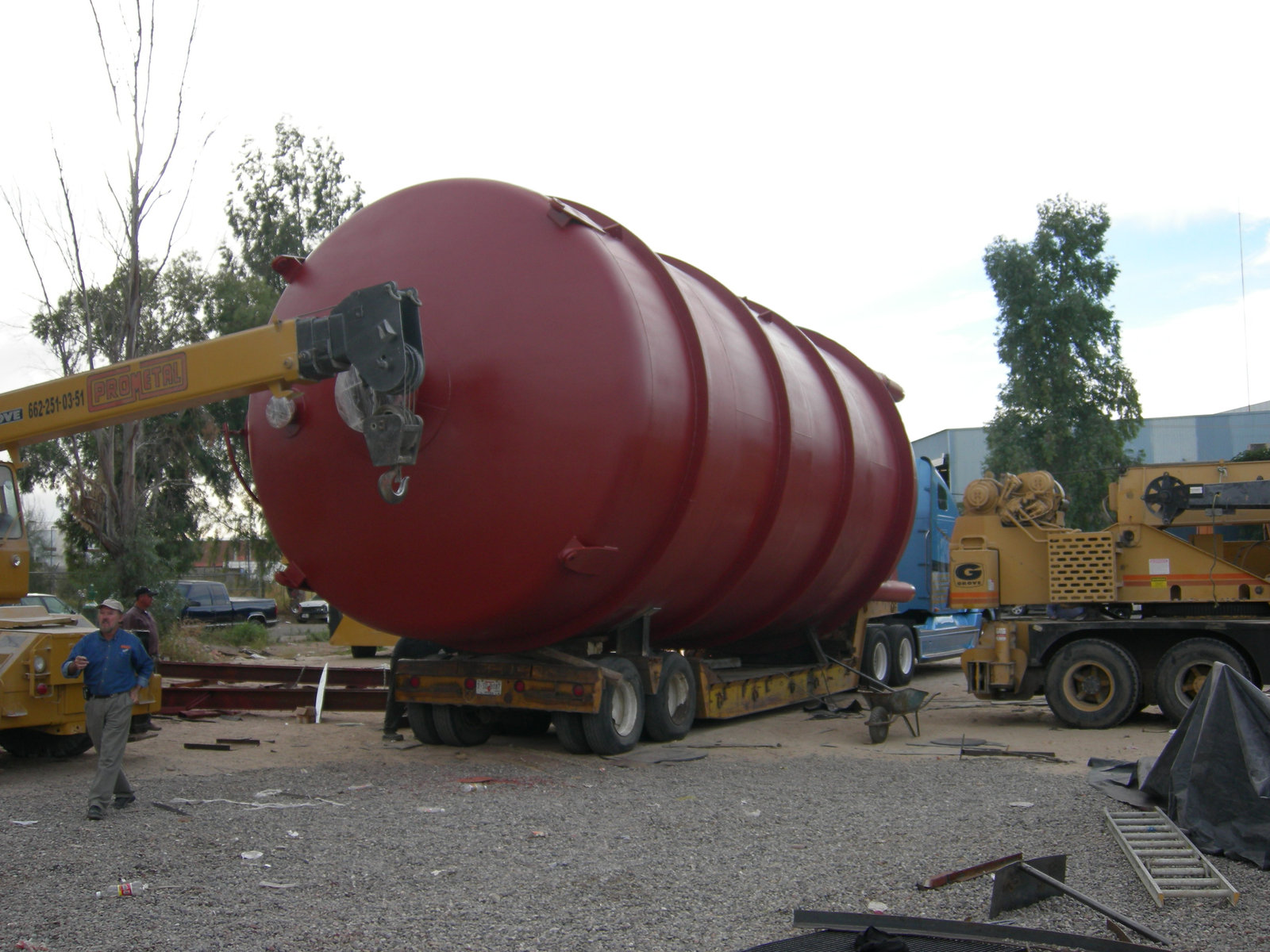
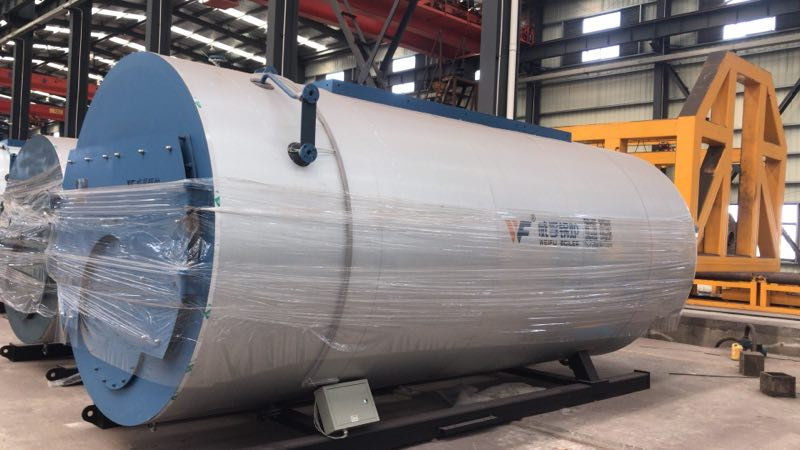
Boiler and feedwater
Deaerator and feedwater tank
Spray and tray-type deaerators supplied with trays, spray valves and internals as a matched assembly.
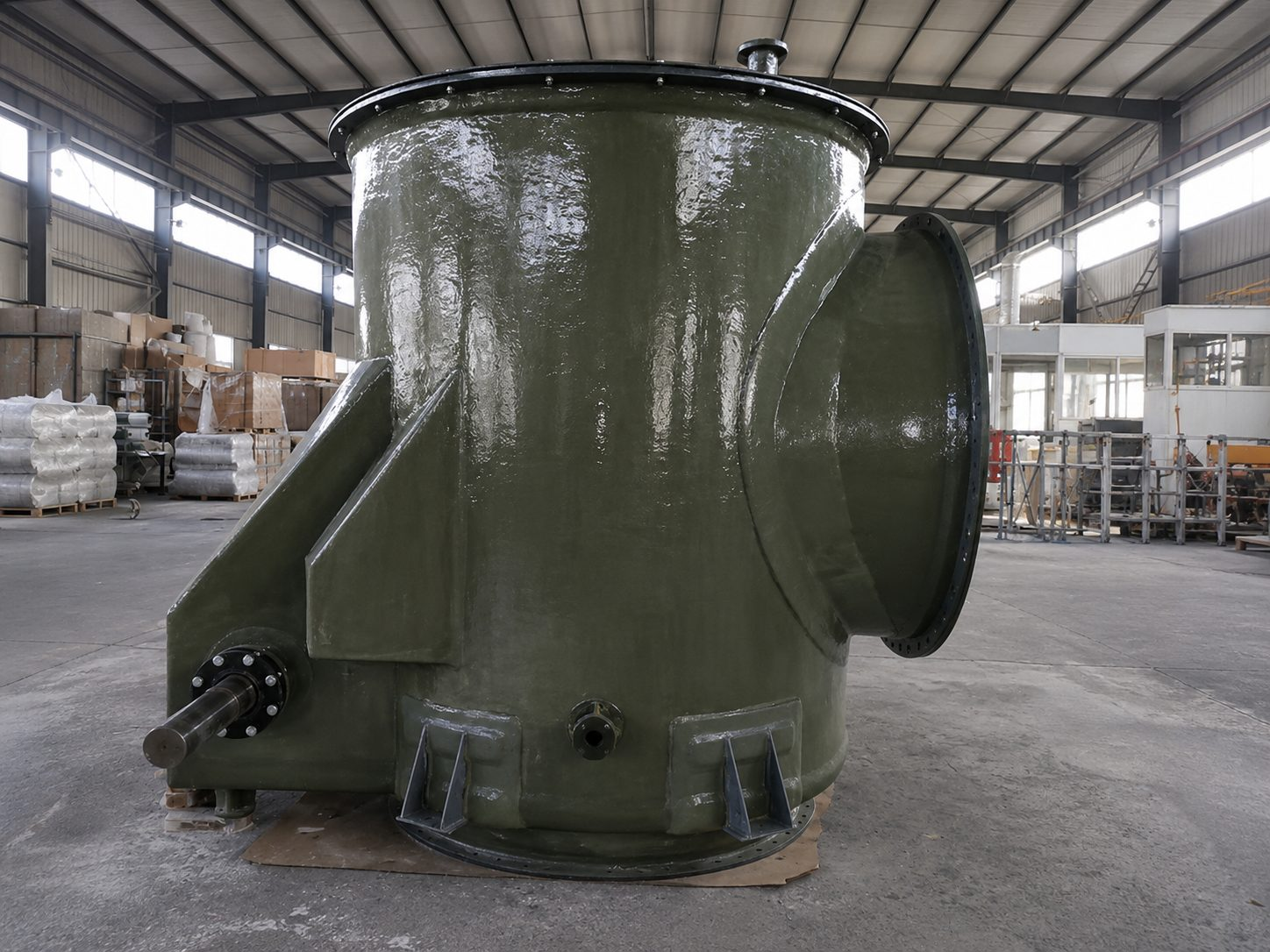
Flue gas isolation
FRP damper
Corrosion-resistant FRP dampers and isolation blades for scrubber and flue gas duty, where coated steel does not survive.
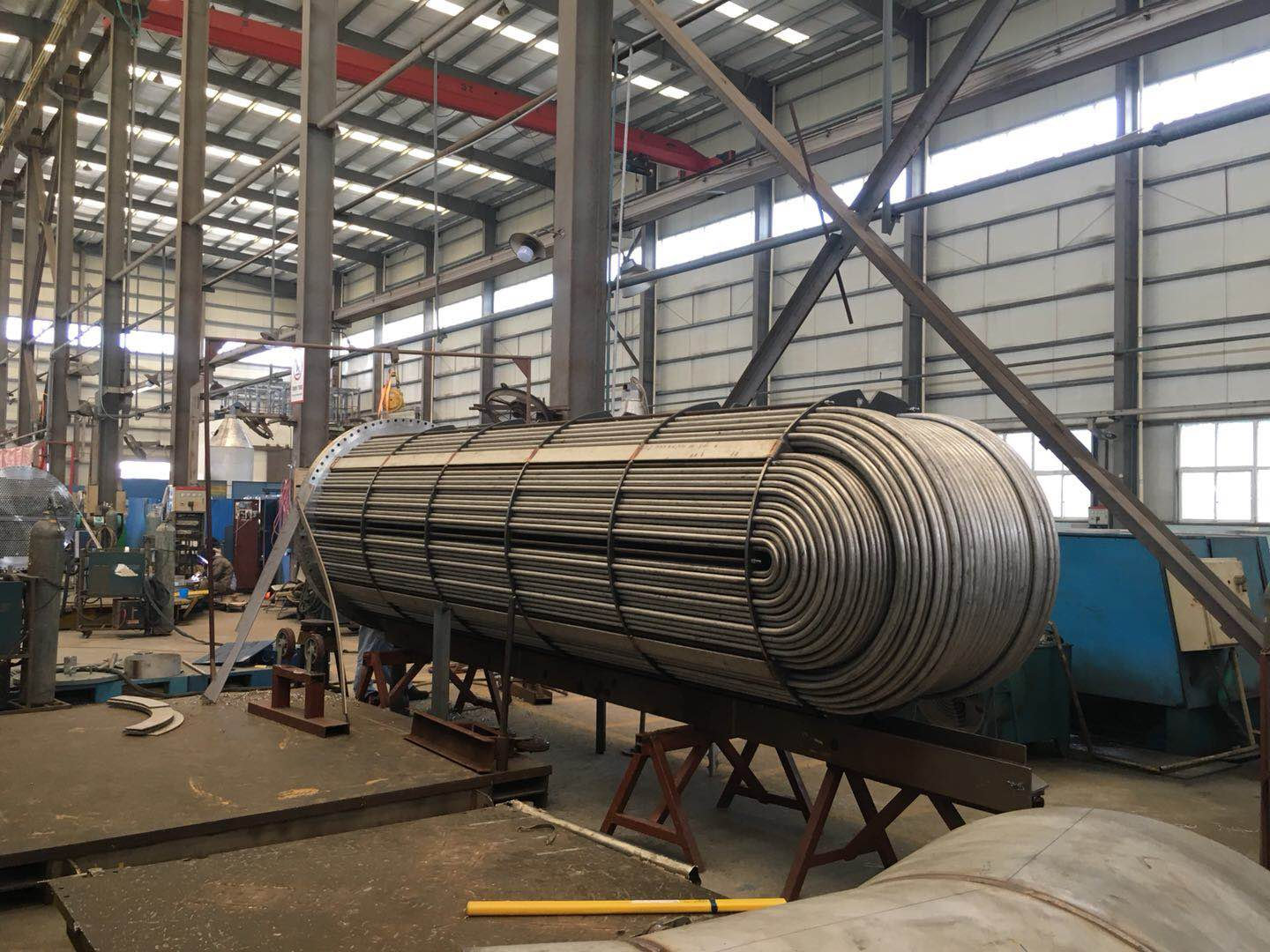
Heat transfer
Replacement tube bundles
Bundles dimensioned from the removed unit where the original drawing was lost, with a dimensional report issued for approval.
04 / What to send us
Tell us wet or dry, and give us the chlorides.
Two answers separate a twenty-year duct from a three-year duct. Everything else on this list refines the price; those two decide whether the equipment is right at all.
- Gas analysis: SO2, SO3, chlorides, moisture, and the acid dew point if known
- Whether the item is in wet or dry service, and where the transition sits
- Operating, design and upset temperatures
- Dust and gypsum loading, and particle size
- Design movement for expansion joints: axial, lateral, angular
- Code and jurisdiction for pressure parts, and whether third-party involvement is required
- Existing equipment details where you are replacing a bundle, damper or internals
- Outage window and the largest segment that can be lifted into place
- Inspection and test plan, and who witnesses it
- Whether you want us to name and introduce the fabricator
05 / Questions
Power generation & flue gas — common questions
Can you supply ASME code pressure parts?
Yes, through shops holding a current ASME U certificate, and to EN 13445 / PED or GB 150 where those apply. We name the shop and its certificate number in the quotation so you can verify it directly with the National Board.
Do you supply FGD absorber internals?
Yes — spray headers, mist eliminators, supports, wet stack liners and slurry tanks in FRP, rubber-lined steel and alloy. We build to your process design and tell you when something in it will not fabricate as drawn.
Can you replace a tube bundle without the original drawing?
Yes. Send the removed bundle or detailed measurements. We produce a dimensional report of the existing bundle, issue it for your approval, and manufacture to the approved geometry.
How do you decide between FRP, rubber-lined steel and alloy for ducting?
By gas chemistry, temperature, whether the service is wet or dry, and how the plant is maintained. We set out the trade-off in writing rather than defaulting to whichever we happen to build most of.
Can work be scheduled around an outage?
Yes, and it is how most retrofit work in this sector runs. We schedule backwards from your window, size segments to your lift and access constraints, trial-assemble in the shop and ship match-marked.
What lead times should we plan for?
Pressure parts 16–24 weeks; dampers and expansion joints 12–18 weeks; FRP ducting and FGD internals 12–20 weeks. We quote fabrication, inspection and sailing separately.
Send the gas analysis and the outage date.
Upload a data sheet, a duct arrangement or a photograph of what is corroding. We come back with materials, a code route where one applies, an inspection plan, a lead time and a price.