

Home/Capabilities/Documentation & Data Books
Documentation & Data Books
A data book compiled while the work happens, not reconstructed afterwards. Material certificates traceable to stamped heat numbers, weld maps tied to named qualified welders, NDT reports with the film retained, test records, and a photographic history — bound, indexed and issued in English before the equipment ships.
01 / What we do
A data book assembled at the end of the job is a work of fiction.
By the time someone sits down to compile it, the heat numbers are a guess, the welder who made the seam has left, and the furnace chart is whichever one was nearest. The only way a data book means anything is if it is collected as the work happens.
We fix the index before fabrication starts
What the data book will contain, in what order, in which language, is agreed with you at the ITP stage. Nobody discovers a missing requirement at the handover meeting.
Material certificates are tied to the physical part
The heat number is stamped into the casting or the plate, and photographed on the part. The MTR, the spectrometer print-out and the heat-treatment chart all carry the same number.
Weld maps are real documents
Every seam numbered, mapped to a WPS, mapped to a named qualified welder whose certificate is in the book, and mapped to its NDT report. Where a joint was re-welded, the map says so and the original film is retained.
NDT film is read and kept
Our inspectors are certified to interpret film, not merely to collect it. Rejectable indications are reported the same day, before repair is authorised, and the original film is retained rather than summarised.
Everything is photographed with a date
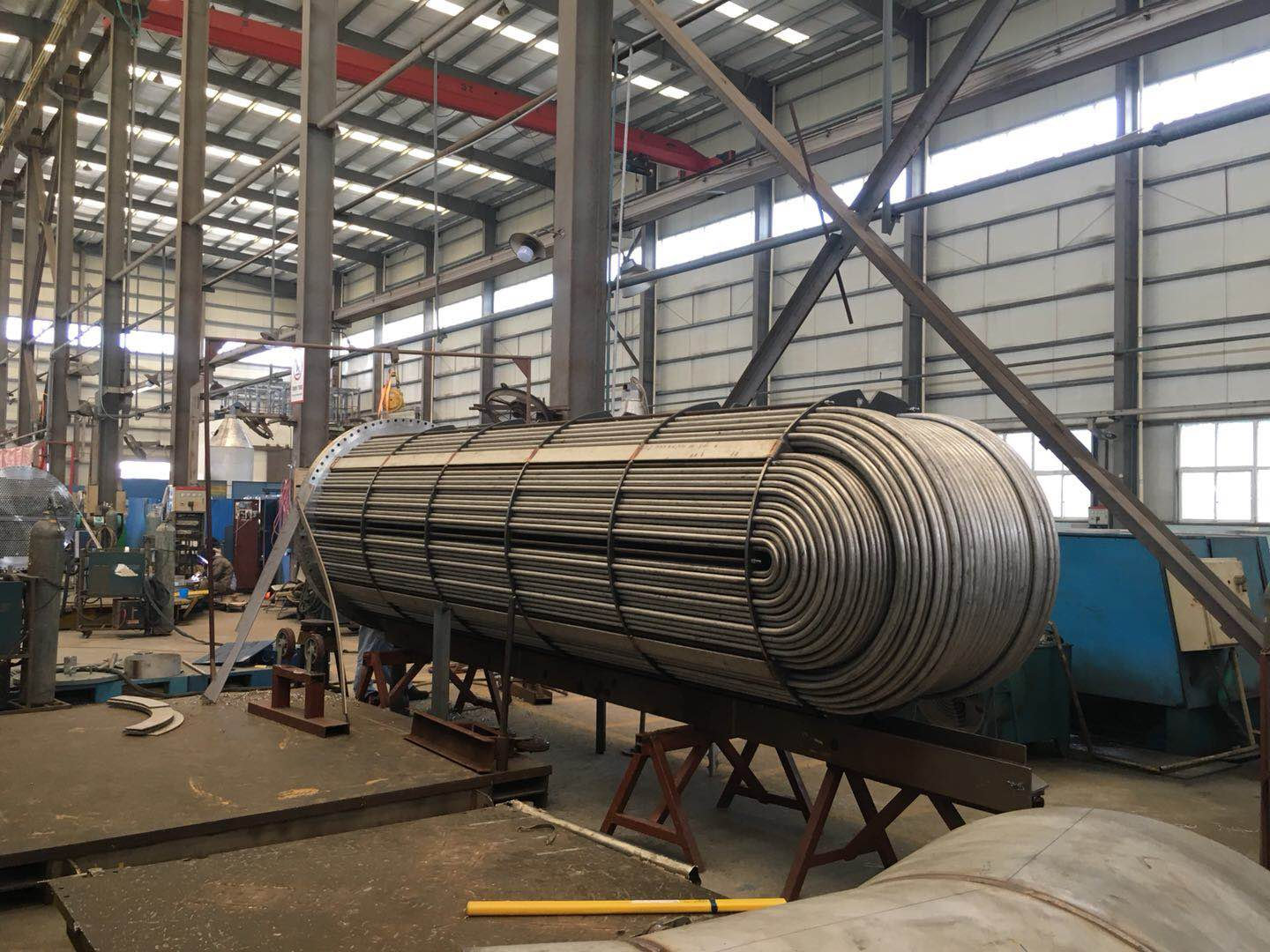
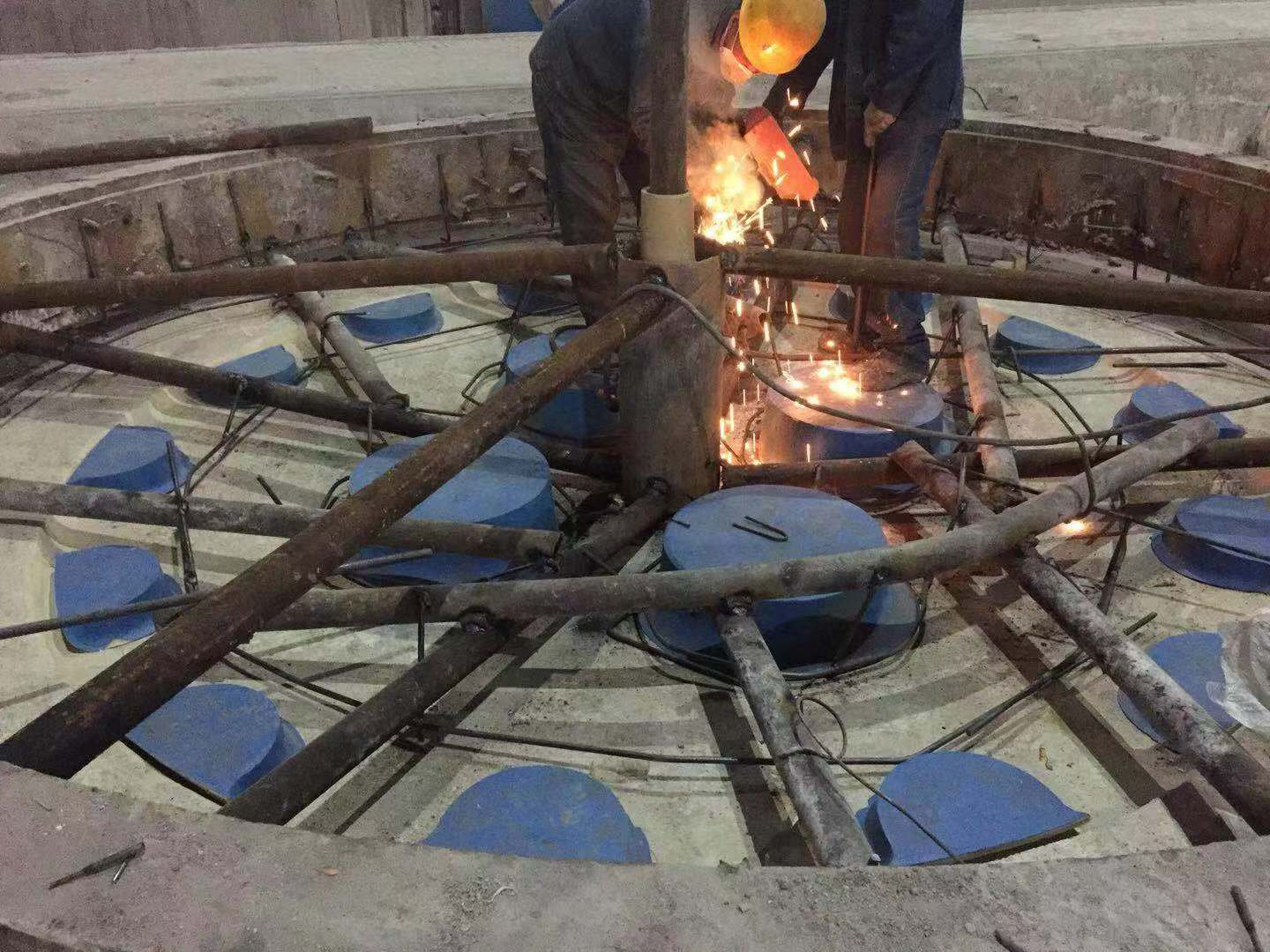
Material, fit-up, welding, heat treatment, machining, testing, coating and packing. Photographs are taken as the work proceeds, not staged at the end from whatever is still in the yard.
We check the book against the equipment before it ships
The last step is reconciling the documents to the items on the packing list. A book that does not match the equipment is not issued.

02 / The cost of skipping it
What a bad data book costs.
Documentation looks like administration until the moment you need it, at which point it is the only thing that matters.
| What goes wrong | How it shows up | What it costs you |
|---|---|---|
| Certificates do not trace to the part | Heat numbers on paper with nothing stamped on the casting. | No way to prove what the equipment is made of. On a code item, that can mean it cannot be accepted at all. |
| The weld map is generic | One WPS listed for the whole vessel, no welder identification, no seam numbering. | Any future repair or fitness-for-service assessment starts from zero. |
| NDT is reported but the film is gone | A one-line pass statement with nothing behind it. | Nobody can re-read the indication when a crack appears in year three. |
| The book arrives after the equipment | Compiled by the fabricator once the invoice is paid. | Commissioning held up, or the equipment accepted without the documents and the leverage gone. |
| It is in the wrong language | Certificates in Chinese, indexed in Chinese, delivered to a plant in Chile. | Weeks of translation, and an auditor who will not accept it. |
| Nobody reconciled it to the packing list | Ten items shipped, nine sets of records. | The gap is found by your inspector, not by the supplier, and always at the worst moment. |
Every one of these is prevented by deciding the index first and collecting the evidence as the work is done. That is the entire discipline, and it costs almost nothing if it starts on day one.
03 / The deliverable
What is in the book.
The standard contents. Anything your code, your client or your jurisdiction adds is agreed at the ITP stage and included.
| Material test reports | Per heat, with the heat number stamped on the part and photographed |
|---|---|
| Welding records | WPS and PQR, welder qualification certificates, and a numbered weld map tying seam to procedure to welder |
| NDT reports | RT, UT, PAUT, MPI, PT, PMI and hardness as required, with original radiographic film retained |
| Heat treatment | Furnace charts photographed at temperature with the date visible, matched to the charge and the parts |
| Repair map | Location, depth, procedure, welder and post-weld heat treatment for every declared repair, with the excavation photographed |
| Test records | Hydrostatic, pneumatic, spark and holiday, vacuum, leak and performance tests with gauge calibration certificates |
| Dimensional report | Measured against the drawing, issued for approval before crating |
| Coating record | Surface preparation standard, system, DFT readings per coat, ambient conditions |
| Photographic history | Dated photographs from material through to loading, before the container is sealed |
| Format | English, indexed, digital and hard copy; third-party endorsement included where an agency was appointed |
04 / Questions
Documentation — common questions
Can you compile a data book for equipment we bought elsewhere?
Yes — it is module F on Inspection & Expediting, sold at a fixed fee. We can also check a data book somebody else compiled and tell you what is missing, which is often the more useful exercise.
What if the factory has already lost the records?
Then we say so plainly rather than manufacture something. Some of it can be reconstructed honestly — re-testing material, re-shooting welds — and we will quote that. What we will not do is issue a book that implies records exist when they do not.
Do you provide documentation in languages other than English?
English as standard, and Spanish for Chile, Peru and Mexico on request. Tell us at the ITP stage so translation is scheduled rather than added at the end.
Can our client or an auditor rely on it?
That is what it is for. Where an accredited third party is required we appoint SGS, BV, TÜV, Intertek, ABS or Lloyd’s and their endorsement goes into the book. We disclose any commercial relationship with the fabricator in writing first.
How is it delivered?
Digital before shipment so you can review it while the equipment is still in China, and hard copy with the consignment. Reviewing it early is the point — corrections are free while the equipment is still on our side of the ocean.
Tell us what your code and your client require.
Send your documentation requirements, or a data book somebody else compiled. We will tell you what is missing and what it takes to close the gap.