

Home/Capabilities/Project Management
Project Management
One named project manager, in your time zone for part of the day and on the factory floor for the rest of it. Multi-line orders coordinated to arrive together, a schedule you can see rather than ask for, and problems reported when they happen rather than when they become unrecoverable.
01 / What we do
The job is not placing the order. It is the eleven weeks afterwards.
Anybody can send a purchase order to China. What decides whether a project lands is what happens between order confirmation and the container arriving — and whether you find out about a slip in week three or week eleven.
You get one person, with a name
A single project manager owns your order from enquiry to delivery. Not a shared inbox, not a rotating team, not a different person for each product line. They know what you ordered and why.
We fix the schedule at the start and publish progress against it
Fabrication, inspection, documentation and shipping are scheduled as separate legs at the start, so you can see which one is slipping. Progress is reported on a fixed cadence rather than when you chase.
We coordinate multi-line orders to arrive together
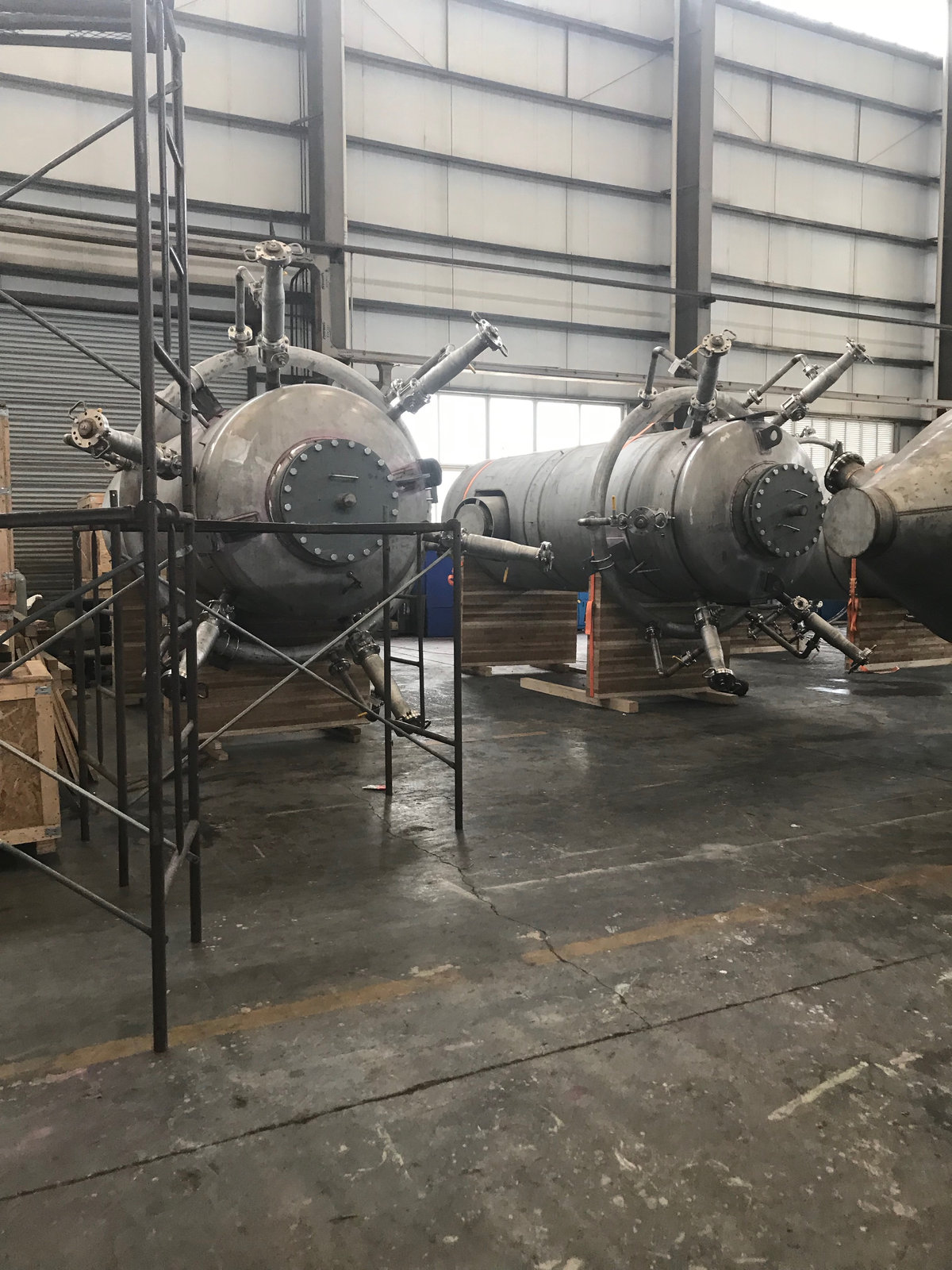
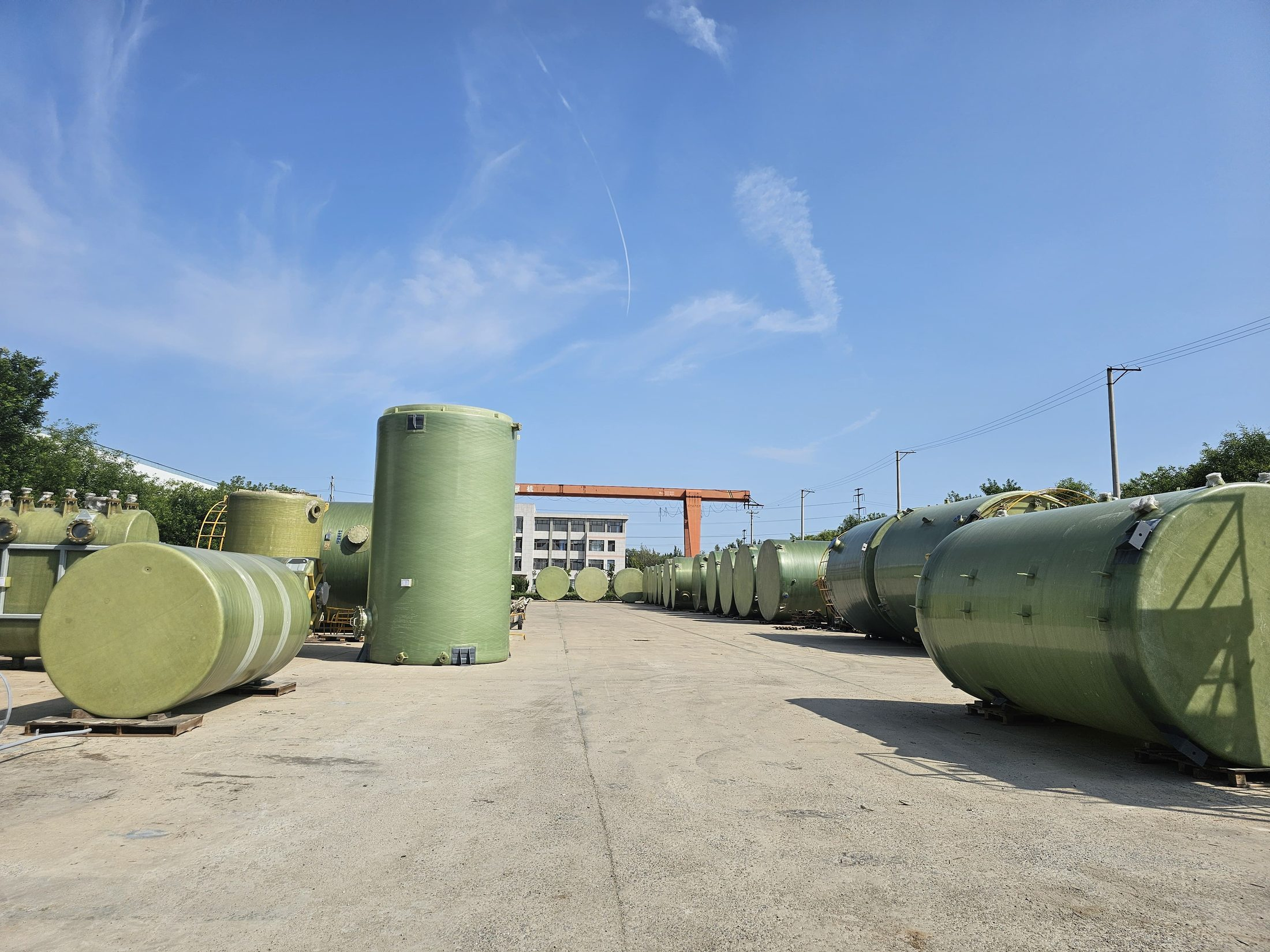
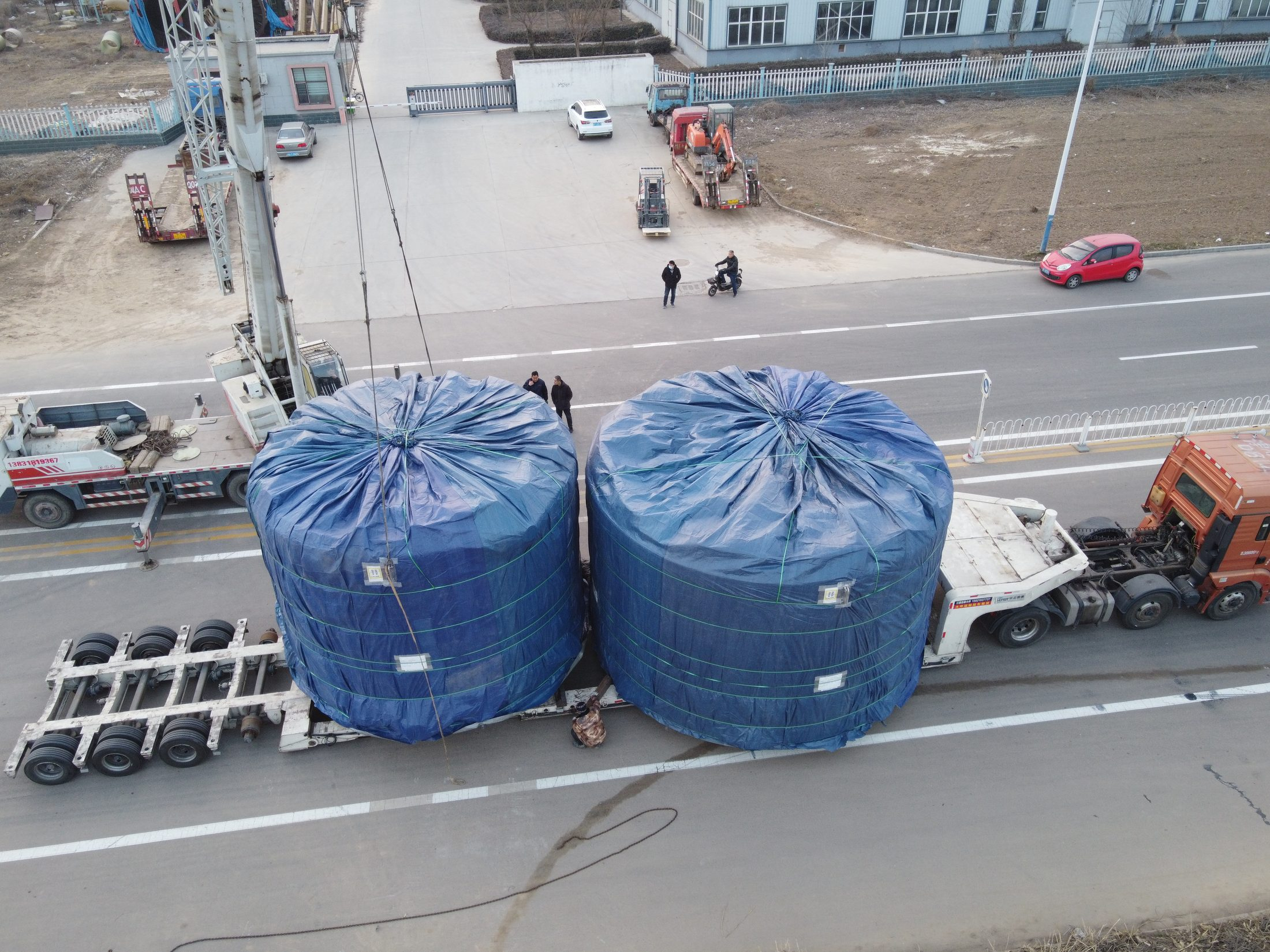
Nine product lines from several shops, sequenced so the crate you need first is not the one that ships last. Consolidation is planned at the order stage, not improvised at the port.
We escalate early, in plain language
When something slips we tell you that week, with the reason and the options, rather than absorbing it quietly and hoping to recover. Bad news early is the whole service.
We hold the interfaces nobody else owns
The gaps between fabricator, inspector, freight forwarder and site are where projects fail. Those gaps are our job, and we do not hand them back to you as “supplier issues”.
We keep the record so the handover is complete
Correspondence, approvals, changes and inspection results are kept against the order, so the data book at the end matches what actually happened rather than what was supposed to.
02 / The cost of skipping it
What an unmanaged order costs.
These are the failures that do not appear on any quotation comparison, and they are almost always more expensive than the margin that was saved.
| What goes wrong | How it shows up | What it costs you |
|---|---|---|
| Nobody owns the gaps | The fabricator says the inspector is late, the inspector says the drawings changed, the forwarder says nothing was booked. | Weeks lost while everyone is technically correct and nobody is responsible. |
| A slip is absorbed quietly | The shop expects to recover it, so it is never reported. It does not recover. | You learn about a four-week delay four weeks before the vessel sails, when there is nothing left to do about it. |
| Items ship in the wrong order | Nine lines from four shops, consolidated by whoever was ready first. | Site waiting on a small item while a large one sits in the yard, at demurrage. |
| The time-zone gap eats a day per exchange | Question asked at 5 pm your time, answered at 5 pm ours, clarified the next day. | A two-minute clarification takes three days, repeatedly, across the whole order. |
| Documentation is assembled at the end | Nobody kept the record as the work proceeded. | A data book that does not match the equipment, discovered during handover when it is needed for commissioning. |
The pattern is the same in every row: the cost is time, and the time is lost in the gaps between organisations. Owning those gaps is the definition of this job.
03 / The deliverable
What you actually receive.
Project management is easy to claim and hard to evidence, so here is what it produces.
| Named project manager | One person, with a direct email and a working overlap with your time zone |
|---|---|
| Order schedule | Fabrication, inspection, documentation and shipping as separate dated legs, issued at order confirmation |
| Progress reports | On a fixed cadence agreed at the start, with photographs, not on request |
| Change log | Every drawing revision, substitution and scope change recorded with the date and who approved it |
| Escalation, in writing | Any slip reported in the week it becomes known, with the cause and the options |
| Consolidation plan | How multi-line orders will be grouped, sequenced and shipped, agreed before fabrication finishes |
| Handover pack | Data book, inspection records, photographs and correspondence, matched to the equipment as delivered |
| Recourse | A USA-majority-owned counterparty, English documentation, and a contract you can actually enforce |
04 / Questions
Project management — common questions
Is this charged separately?
On equipment orders it is included — it is how we run every order, not an upsell. Where you are placing the order yourself and want us to run the schedule and the factory interface, it is quoted as expediting: module D on Inspection & Expediting.
How often will we hear from you?
A cadence agreed at the start — usually fortnightly on a straightforward order, weekly on anything time-critical, and immediately when something changes. We would rather over-report than have you chase.
Can you handle an order spanning several of your product lines?
Yes, and it is one of the main reasons customers consolidate with us. Nine product lines can travel on one purchase order, with one schedule and one party accountable for the lot.
What if we already have an EPC managing the project?
Then we work under them and report the way they want it. We are used to being one supplier inside a larger project rather than the centre of it.
Who is accountable if the factory misses the date?
We are. That is the practical difference from buying direct. One contract, one counterparty, and recourse that does not require you to pursue a Chinese entity you have never met.
Tell us the scope and the date you need it.
Send a scope, a drawing package or a line list. We come back with a schedule broken into fabrication, inspection and shipping, and the name of the person who will run it.